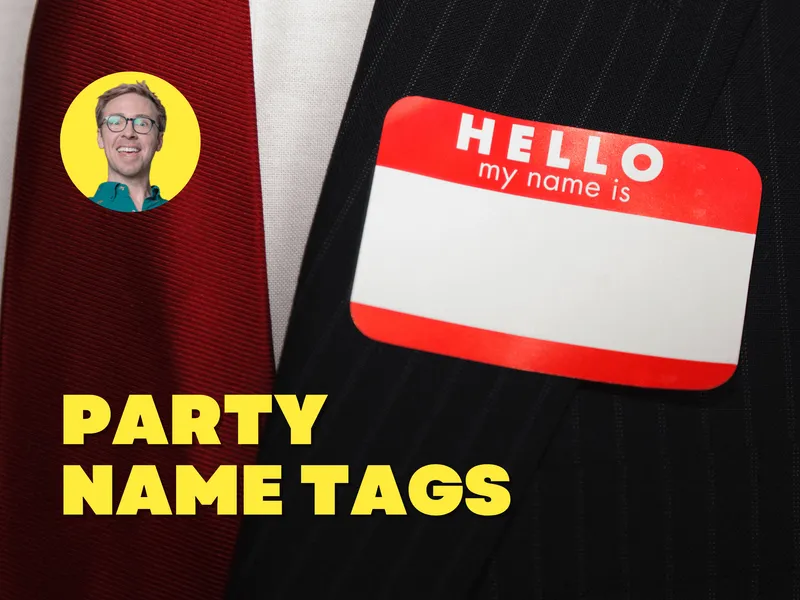
A party without name tags is like a museum without labels for the paintings.
You may think name tags make an event feel cold, formal, or corporate. I want to change your mind, because they're the cheapest upgrade you can make to any gathering.
The night I forgot a CEO's name
I know from experience how embarrassing it is to blank on someone's name.
Some years ago, my then-girlfriend and I went to a large corporate event in SoHo, in Manhattan. When we arrived, we bumped into a woman I'd met a few times before. I knew she ran a successful business in New York City, with dozens of employees and Fortune 100 customers.
I blanked on her name. It totally slipped my mind.
She called me from across the room. "Nick, oh my God, it's so good to see you." Her arms were open, ready for a hug, and I was a deer caught in the headlights.
I tried to think fast. I introduced her to my girlfriend, hoping she'd say her name back. She didn't. So I went with "hello, you! It's so good to see you," which fools nobody. She could tell. It was awkward.
I was mortified, and it had been years since I'd seen her at anything. All of it could have been solved by a name tag.
It's natural not to remember people's names. The fix isn't a better memory. The fix costs about ten cents a guest.
What name tags actually do
On a practical level, they make it nearly impossible for your guests to forget each other's names. I'm not great with names, so I lean on them heavily as a host.
They also do something less obvious. They give your guests permission.
- They reduce social anxiety and make introductions easier.
- They signal this is a safe space to walk up to a stranger.
- They put everyone on equal footing. Even the most senior person in the room has to wear one.
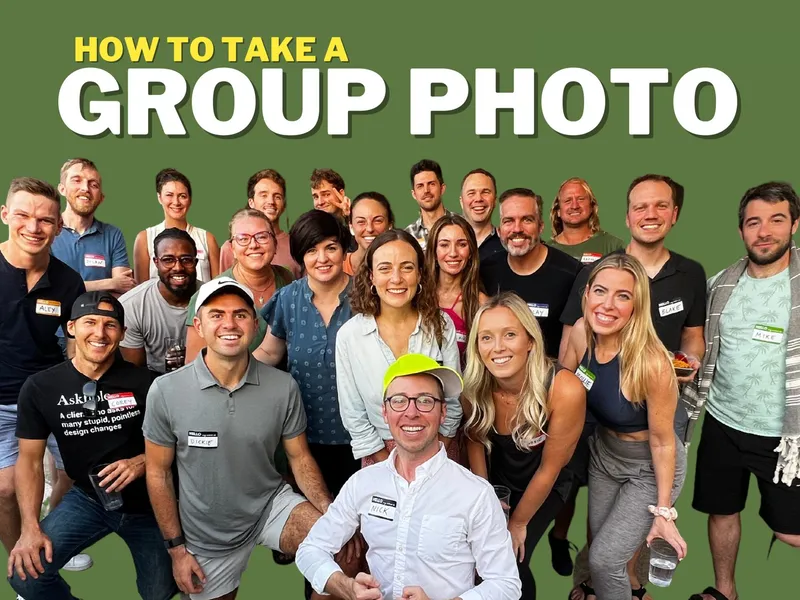
First names only matters here. It shows people this isn't a party of cliques where everybody already knows each other, and that it's fine to go say hi to someone new.
Think of a charity run where everyone wears the same shirt, or a conference with branded badges. Participants are aligned. Name tags do the same job at a party. When everyone wears one, everyone is on the same team.
Pro tip: Name tags earn their keep hardest when you mix friend groups. They're what stops your guests from clustering with the people they arrived with.
Which name tags to buy
Two I keep going back to:
- Avery 5154, better for more formal events
- Cualfec dot stickers, better for casual ones
The size that works best for me is 2 1/3" x 3 3/8". Big enough to read across a room, small enough that nobody feels like they're at a trade show. Buy twice as many as you think you need, because you will always have more guests than you planned for.
See my full supplies list for links and photos.
How to write them
Your first priority as guests arrive is to welcome them warmly. A hug, a fist bump, or a genuinely happy hello.
Your second priority is the name tag. It's that important.
Write it yourself, by hand, in front of them. Don't pre-write them, and don't hand people a marker. When guests write their own, the handwriting is bad, they use their full name, and they write it too small. Writing it yourself also folds naturally into the welcome. "Man, welcome, let me make you a name tag real quick."
First names only. Faster to write, easier to read.
Big block capitals. You're going for legibility at a distance, not penmanship. Black marker.
There's a bonus here. If you've forgotten someone's name, making their tag is the graceful way out. "Hey, let me make you a name tag, remind me how you spell it?" Fair warning, that one backfires about a third of the time, when they answer "Sue. S-U-E."
Honestly, the better move is to just say it. "I've had a total mind blank, remind me your name."
Grab the free 2-page party checklist.
Tell people before they arrive
This is the step most hosts skip, and it's the one that decides whether name tags feel welcoming or weird.
If I turned up somewhere unexpected and someone handed me a name tag, I'd wonder if I was about to be sold something. Introverts especially don't like surprises at social events.
So get ahead of it. Put a line in the invitation or on the RSVP page: there'll be name tags and one quick round of introductions, so everybody gets to meet each other.
That one sentence turns a name tag from an ambush into a promise.
What to write on them beyond a name
Once you're comfortable with the basics, a prompt on the tag does a second job. Something like "ask me about..." gives every guest an opening line before they've said a word.
I keep a separate list of 30+ name tag prompts that work at real parties.
FAQ
What size name tags work best for a party?
2 1/3" x 3 3/8" adhesive tags. Readable across a room without feeling like a conference badge. Avery 5154 is the one I buy most.
Should guests write their own name tags?
No. Write them yourself as each guest arrives. Their handwriting will be small, they'll use their surname, and you'll lose the welcome moment that makes the whole thing feel warm.
First name only, or full name?
First name only. It signals an informal room where it's fine to approach someone you don't know.
Won't name tags make my party feel corporate?
Only if they arrive as a surprise. Say in the invitation that there'll be name tags and a round of introductions, and guests show up expecting it.
Do I need name tags if everyone already knows each other?
No. Name tags are for rooms where people don't all know each other. At a family dinner or a party where everyone's already friends, skip them.
Try it once
Buy a pack, write them yourself at the door, and tell people in the invitation that they're coming.
It's the smallest change with the biggest return of anything I do as a host.
I'm suuuuuper passionate about name tags, and my party hosting handbook has more stories and best practices about why they matter. Tried them at your own party? Email me at nick@party.pro, I want to hear how it went.